
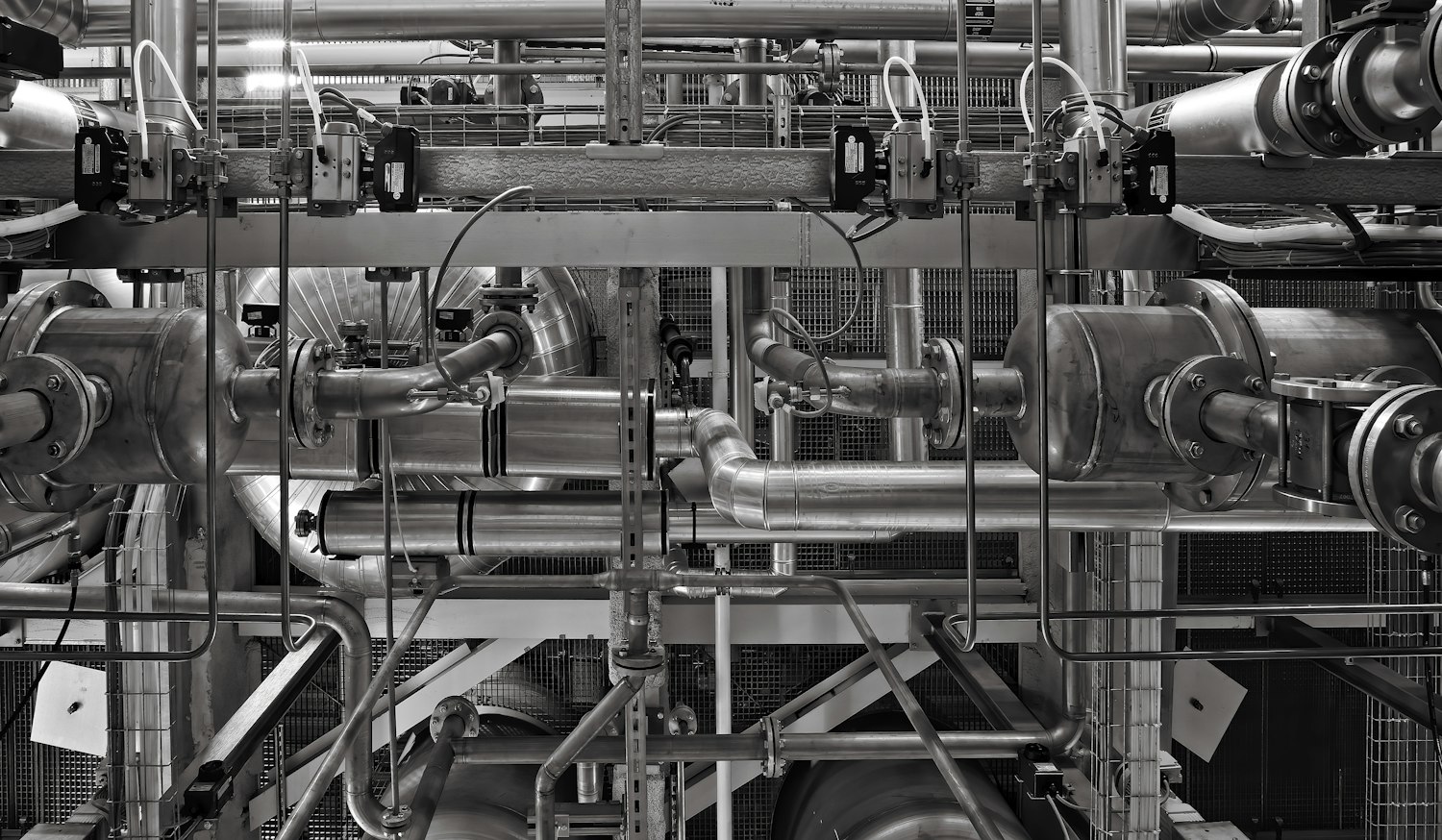
Finding a leak is only the first step. A useful programme keeps findings from being lost between inspection, maintenance and production. The aim is to repair the right problems, confirm the result and adjust air supply so reduced demand can translate into lower energy use.
Define the inspection area and conditions
Divide the factory into manageable areas and mark the supply boundaries. Record the operating pressure and whether production is running. Inspect accessible connections, hoses, valves, drains and equipment interfaces using suitable methods and competent personnel. Ultrasonic tools can help locate leakage in noisy environments, but the reading still needs context. Avoid treating every after-hours air demand as a leak without identifying legitimate consumers.
Give every finding a traceable identity
Create a record containing the equipment or location ID, a photograph, the suspected component, detection method and operating conditions. State whether the finding has been confirmed or needs further inspection. A precise location is often more useful to the repair team than an impressive but unexplained cost estimate. Make the record accessible to the people who schedule work and control production access.
Prioritise repair with the production owner
Consider the likely loss, impact on pressure or product quality, repair effort and access window. Some findings can be handled during a planned stop; others require earlier action. Identify any isolation or replacement requirements before assigning the job. Do not tighten fittings, disconnect lines or change components under pressure as a substitute for an approved repair procedure.
Recheck repaired locations
After work is complete, repeat the relevant detection check and document the result. Record replaced parts and any location that remains inaccessible. A finding should have a clear status such as open, scheduled, repaired or verified. Revisit recurring problems: vibration, unsuitable hoses or poor installation can cause the same connection to leak again even after an initially successful repair.
Measure the effect on the whole system
Compare flow and electrical input during comparable production conditions, and review compressor loading and stopping behaviour after demand falls. DOE guidance emphasises the need to match supply operation to the lower demand. A repair cost estimate based on assumed leakage is not the same as verified electricity savings. State the measurement boundary and separate reduced air consumption from the actual energy result.
Keep the programme running
Assign an owner, agree review dates and retain the inspection history. Track both the completion of repairs and the rate at which new findings appear. Include leak checks after equipment moves or line modifications. A continuing programme gives maintenance and production a shared record, and makes it easier to recognise whether a pressure complaint is returning because of leakage or a different system problem.