LeadCom
Energy-Efficient Screw Air Compressors
Specializing in screw air compressors and compressed air systems, we provide stable, reliable air supply for industrial production.
Explore Products
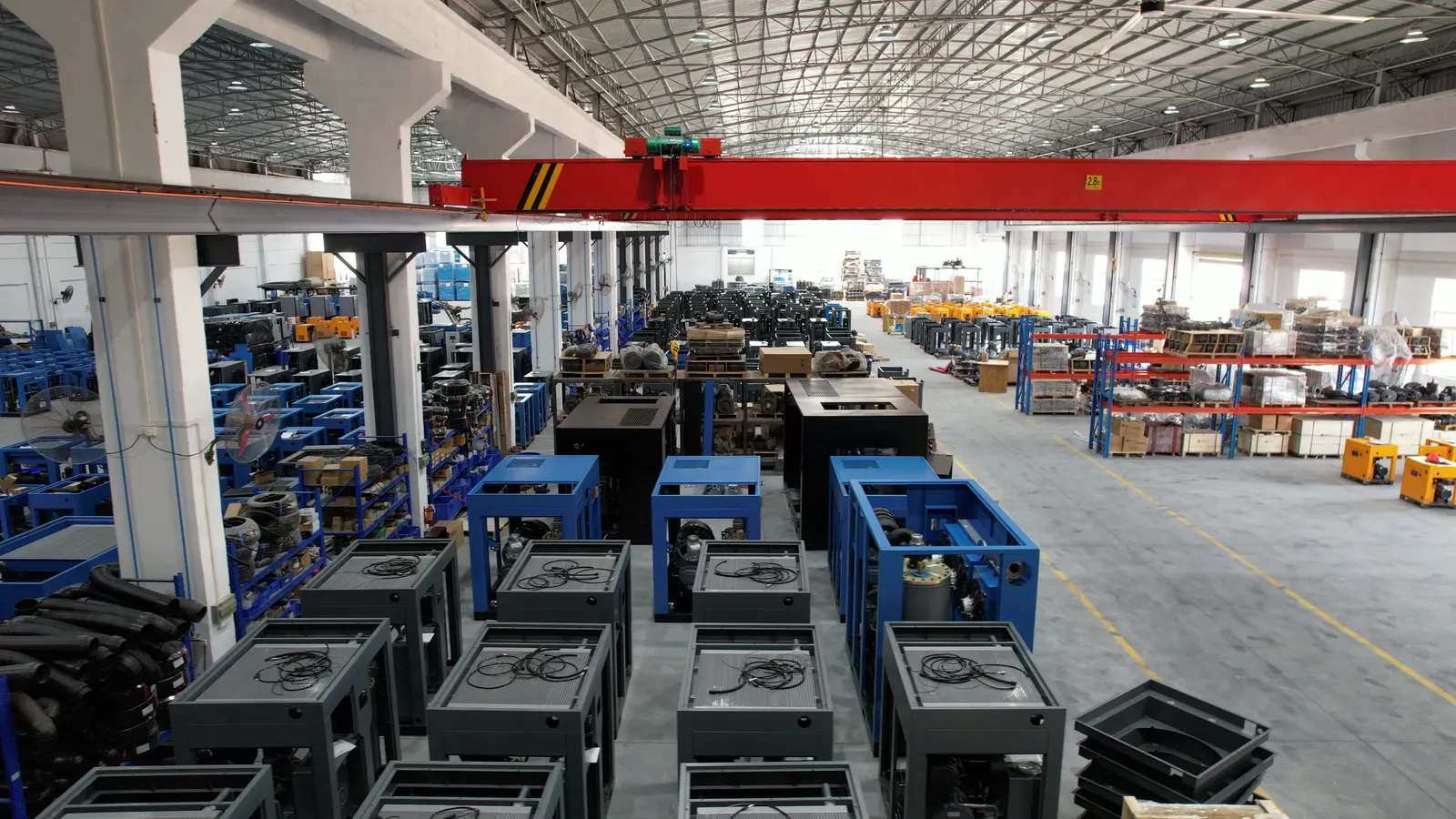
Manufacturing
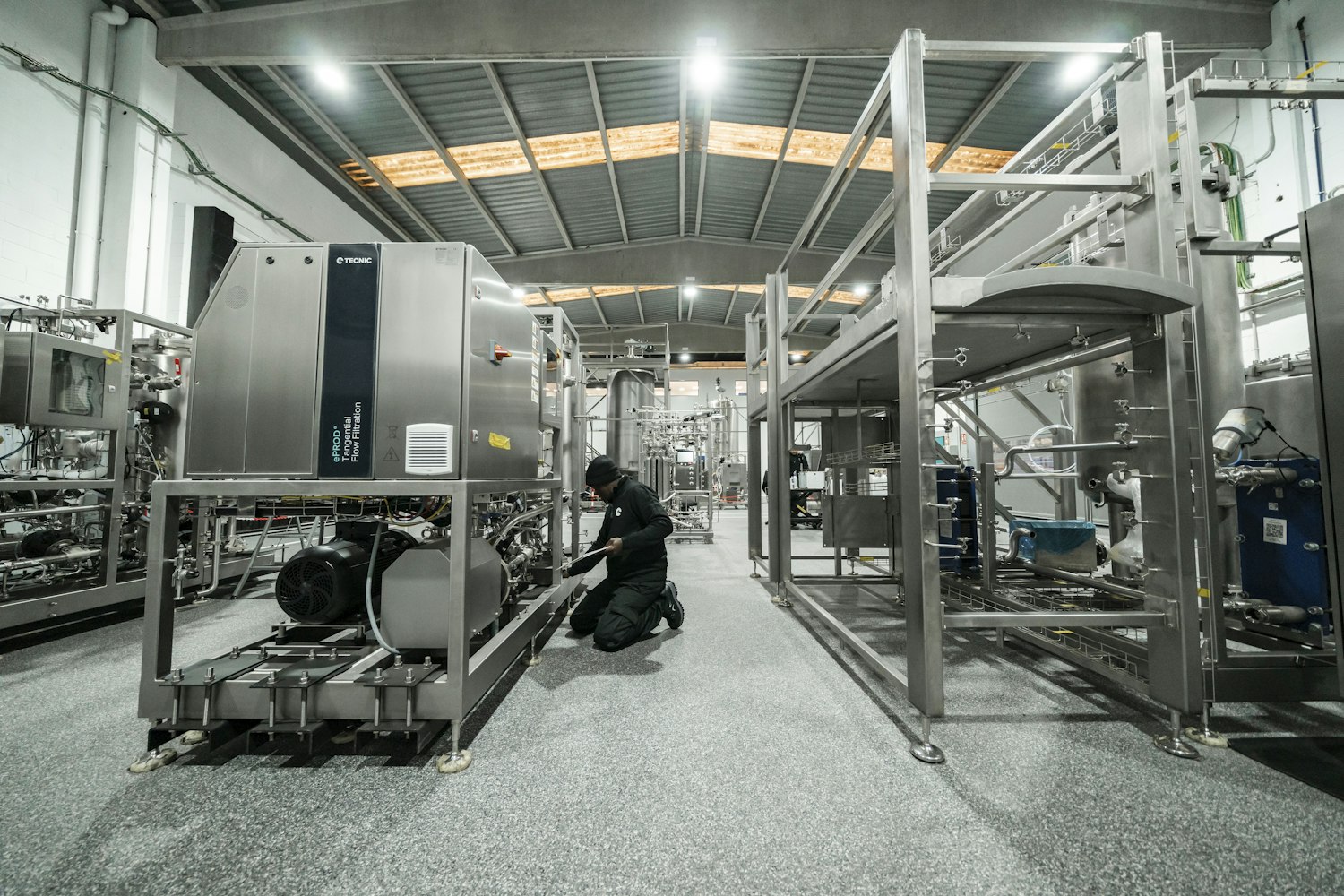
Explore LeadCom’s manufacturing, assembly, performance testing and quality control processes.
01

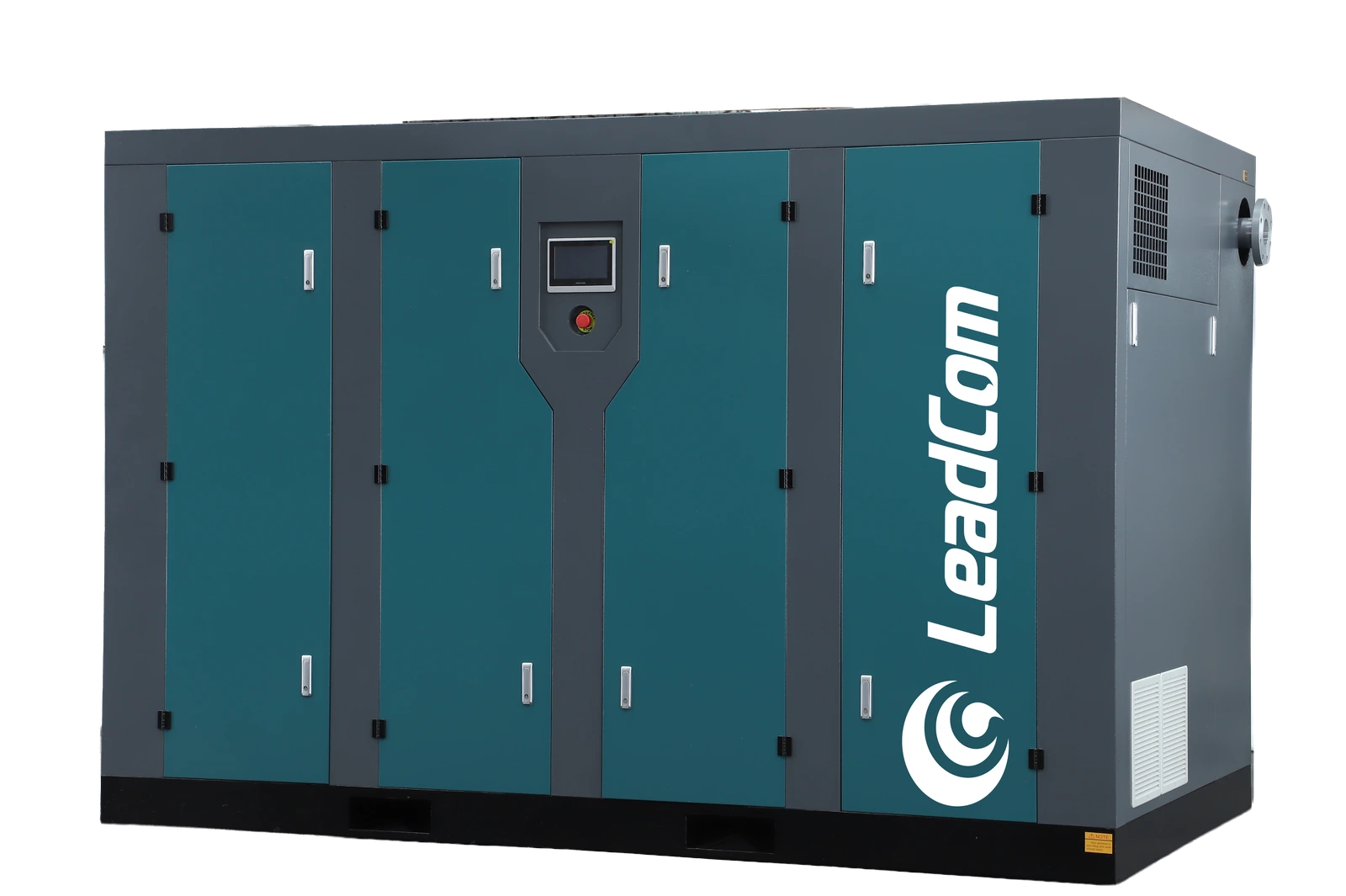
Reliable and efficient compressed air equipment for industrial applications.
Learn More
Vacuum solutions for industrial production and process applications.
Learn More
Magnetic-bearing and air-bearing centrifugal blowers for efficient oil-free aeration, conveying and process air.
Learn More
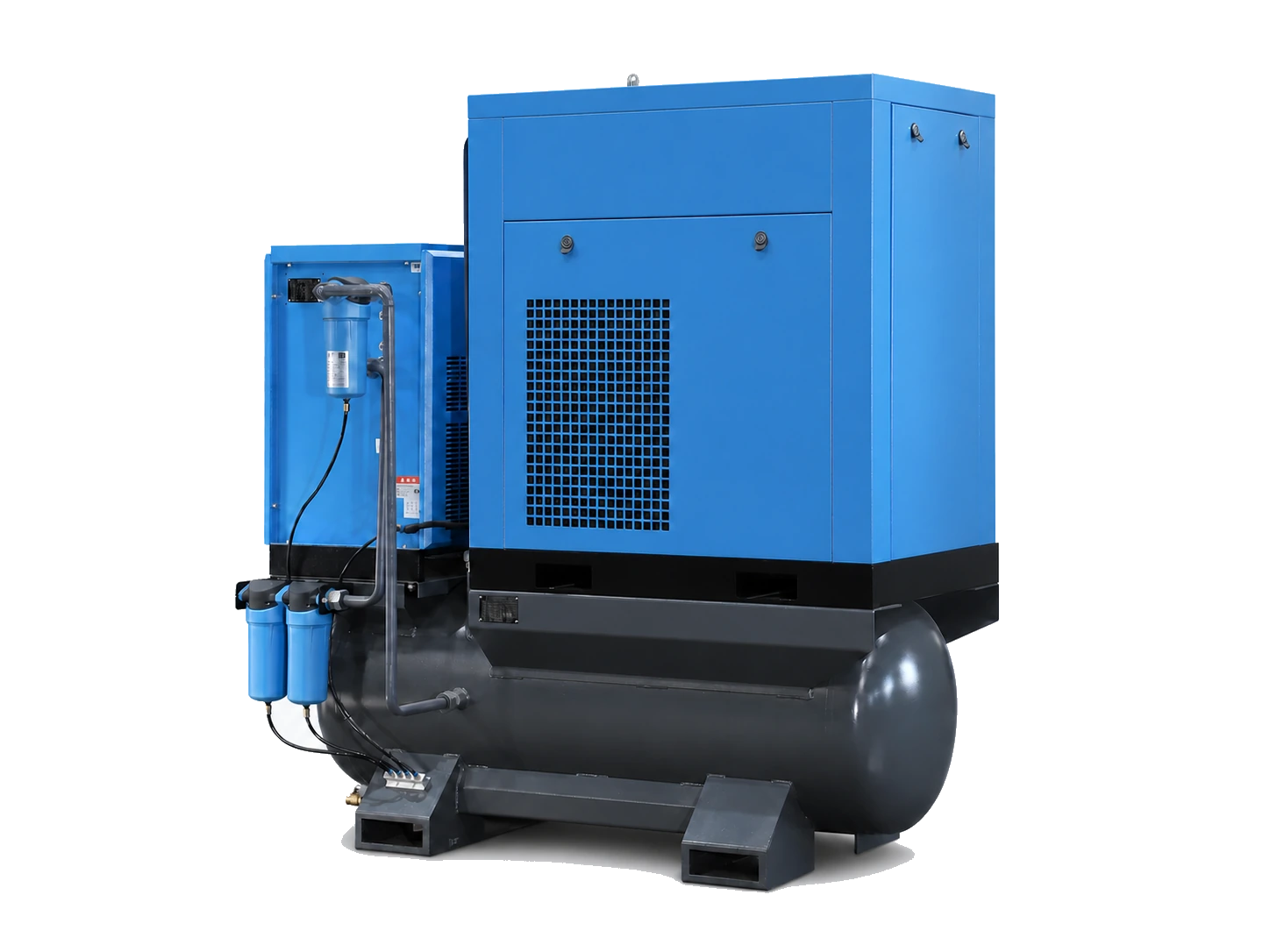
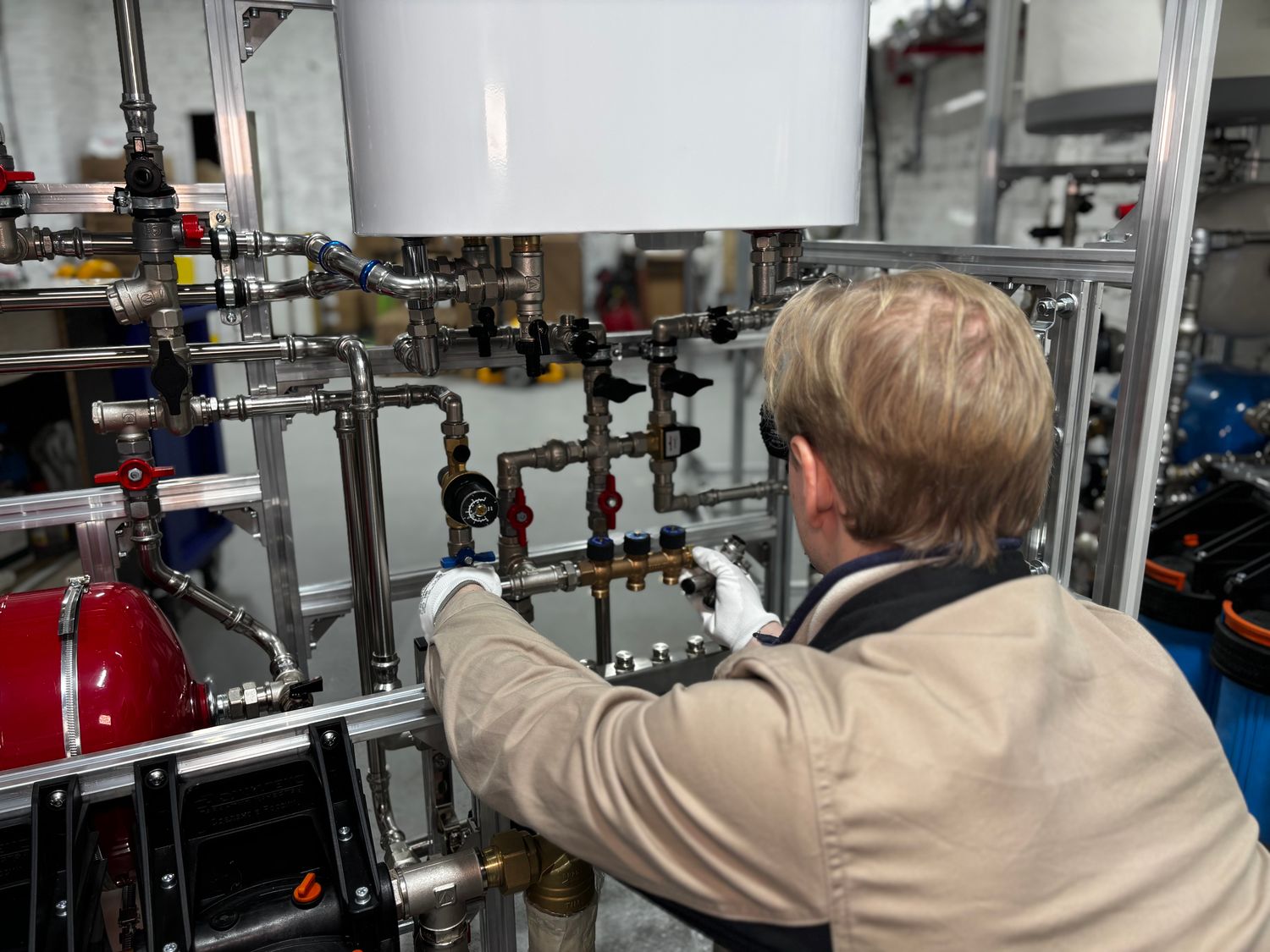
Integrated compressed air stations covering generation, storage, treatment, distribution and control.
Learn More
Reliable on-site nitrogen and oxygen generation equipment.
Learn More
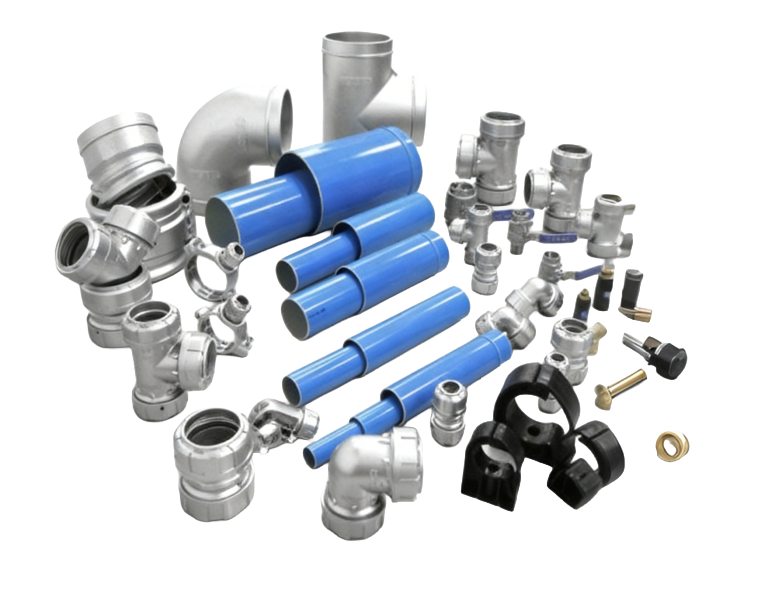
Dryers, filters, receivers, drains, aluminum piping, valves and instruments for complete air systems.
Learn MoreLeadCom provides stable, efficient and energy-saving compressed air solutions based on the production processes and air demand characteristics of different industries.
02

Stable air supply for efficient production and consistent bottle quality.
High peak flow, fast cycles, steady pressure

Reliable compressed air for automated packaging equipment.
Intermittent multi-point demand and frequent cycles

Continuous compressed air for woodworking equipment and production lines.
Continuous tools with rapid peak-load changes

Efficient and reliable air supply for industrial manufacturing equipment.
Multi-station variable load across continuous shifts

Stable compressed air for consistent and high-quality coating results.
Sensitive to pressure and air-quality fluctuations

Flexible compressed air solutions for demanding construction applications.
Tool-dependent load changes and outdoor duty
03

The LeadCom team and partners gathered to celebrate shared achievements, strengthen connections and open a new chapter together.
Read More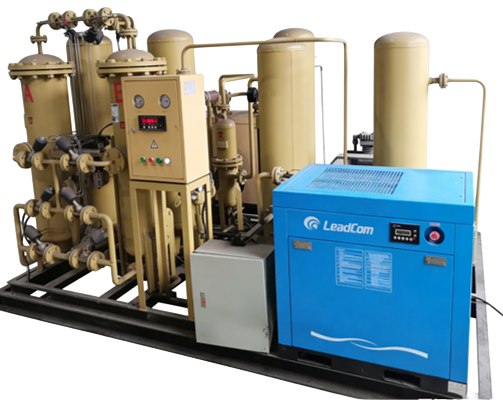
Compare drying methods using the required pressure dew point, site conditions, regeneration demand and the equipment quotation.
Plan compressed air storage around a defined demand event, usable pressure range, recovery time and treatment arrangement.
Locate pressure losses across filters, dryers, distribution pipes and final connections using measurements taken during real production.
Organise routine observations, scheduled service, air treatment checks and maintenance records around the actual compressor manual.
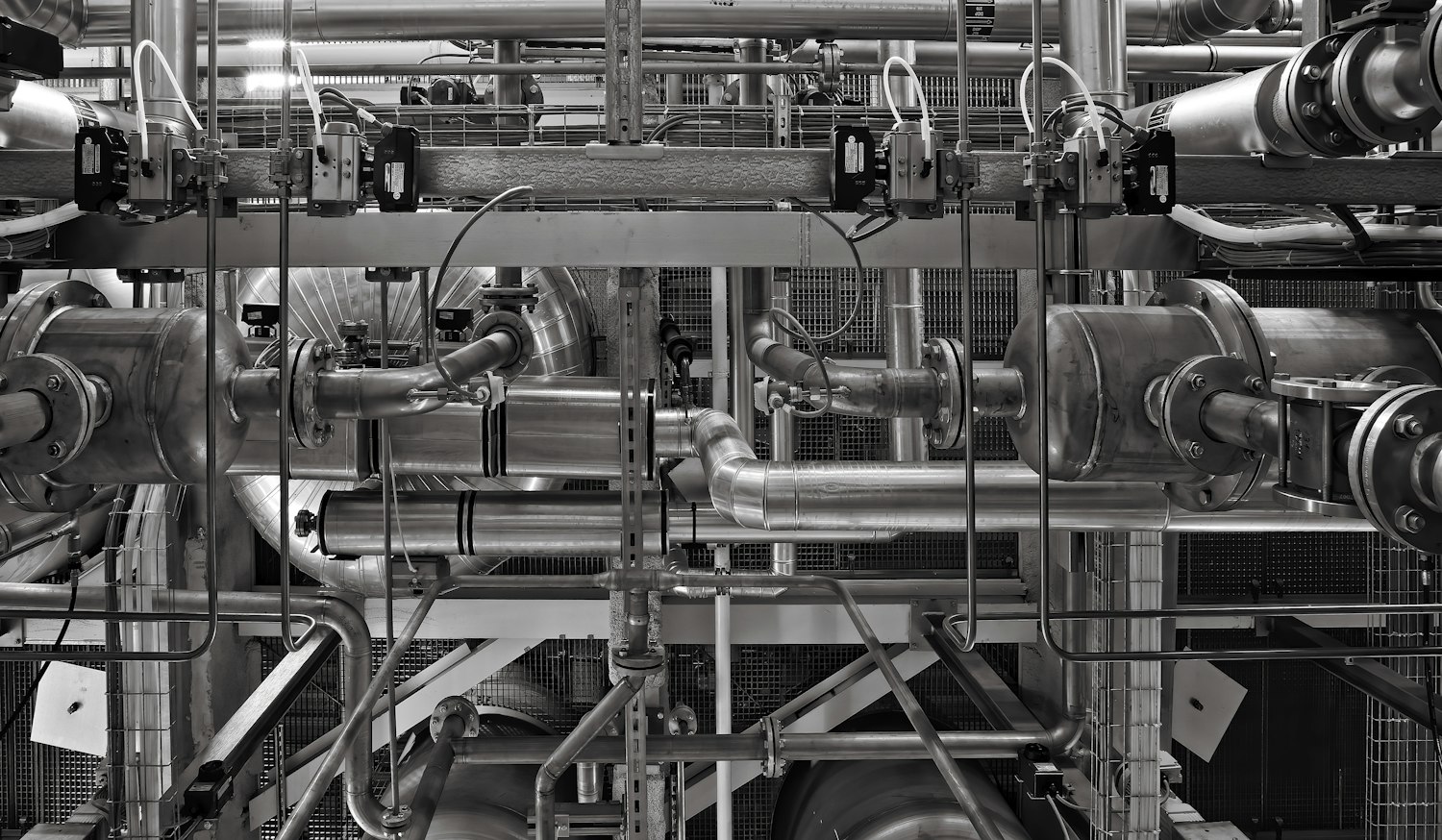
Build a repeatable leak-management workflow with equipment IDs, repair priorities, follow-up checks and measured energy results.
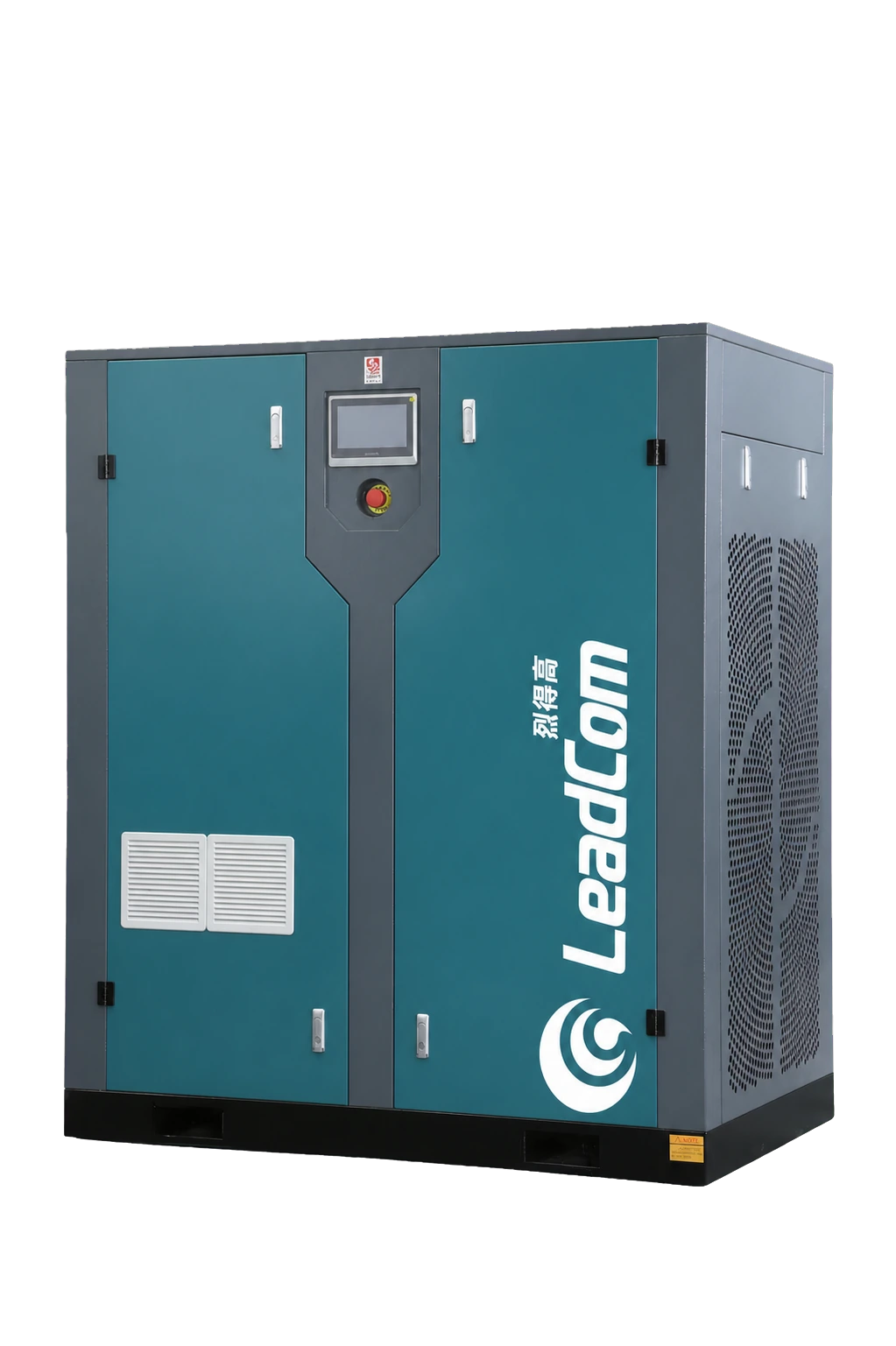
Separate compressor construction from delivered air quality, and compare oil-free and oil-injected systems using a defined process specification.
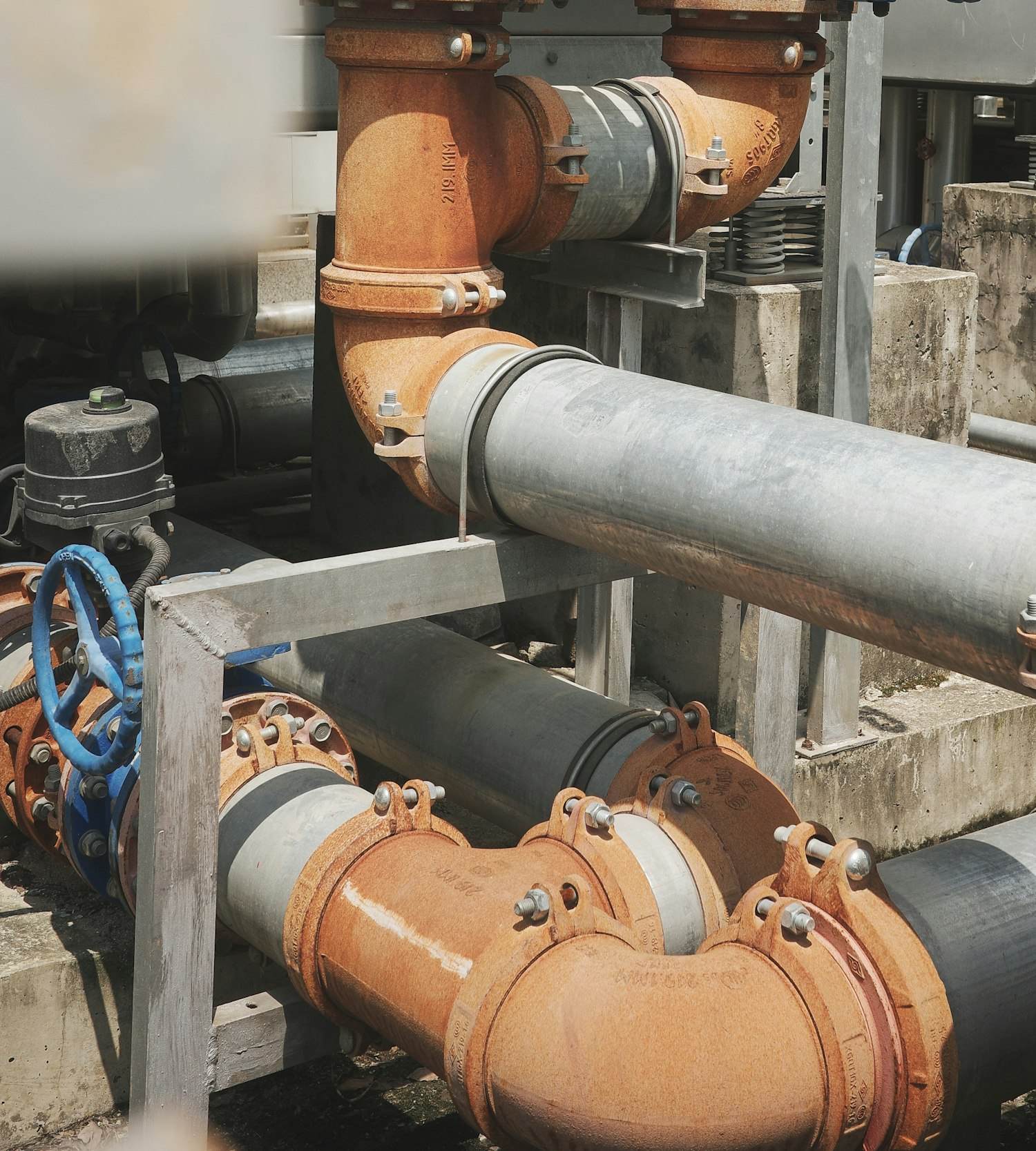
Trace liquid water in compressed air from cooling and separation to drains, dryer conditions and cold downstream pipework.
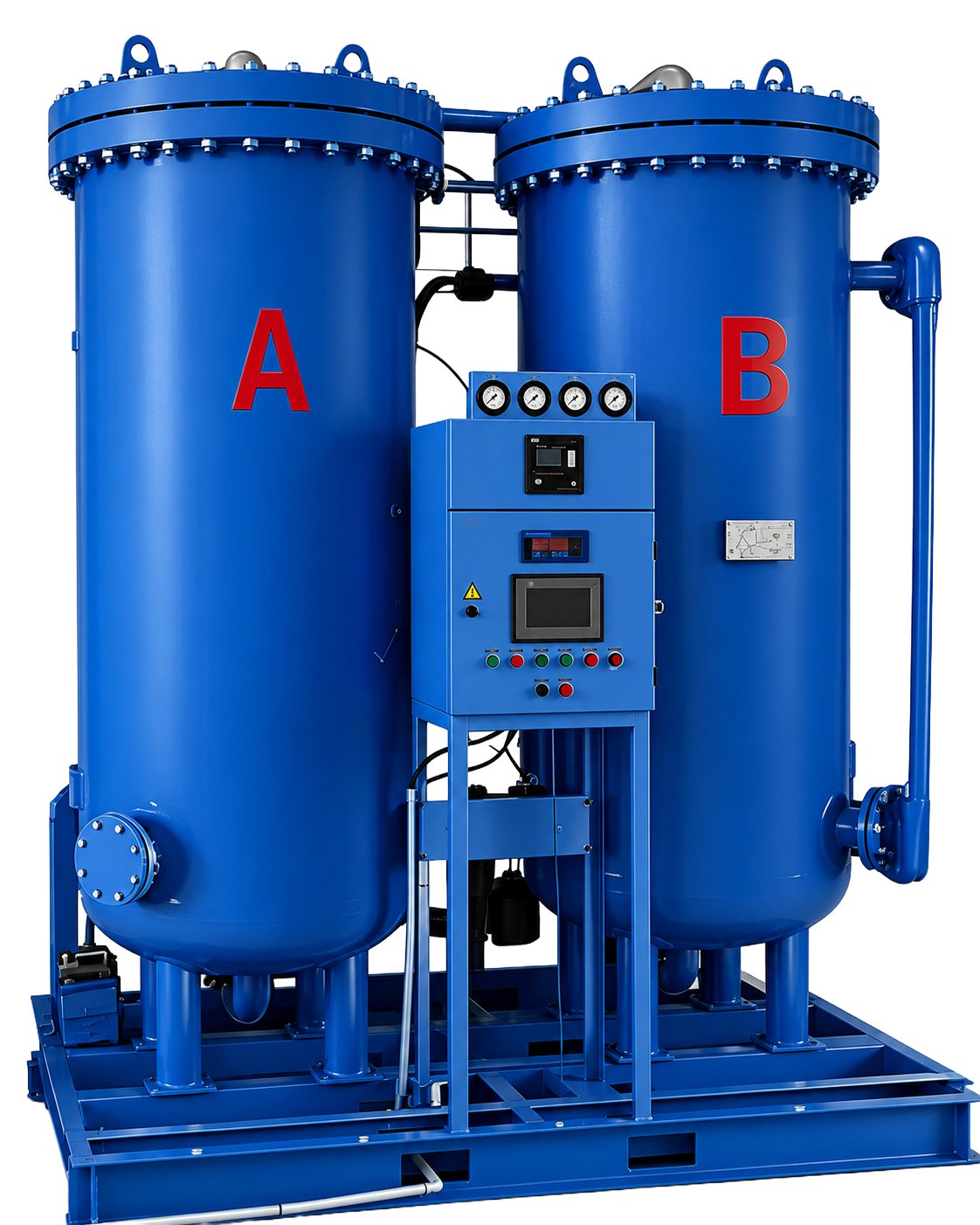
Prepare a nitrogen-generator enquiry that connects product-gas purity and pressure with demand cycles, feed-air conditions and acceptance tests.

Plan cooling-air routes, service access, electrical supply, drainage and commissioning before installing industrial air compressors.
Screen a compressed-air heat-recovery project using heat demand, operating overlap, installation constraints and a clear thermal-energy example.
A practical buying guide covering air demand, operating pressure, air quality, speed control and the information to include in a compressor enquiry.
Compare compression stages, package power, part-load performance and payback without assuming a universal energy-saving percentage.
Build an air-demand estimate with a worked example, consistent flow units, pressure-loss checks and a clear distinction between average demand and peaks.
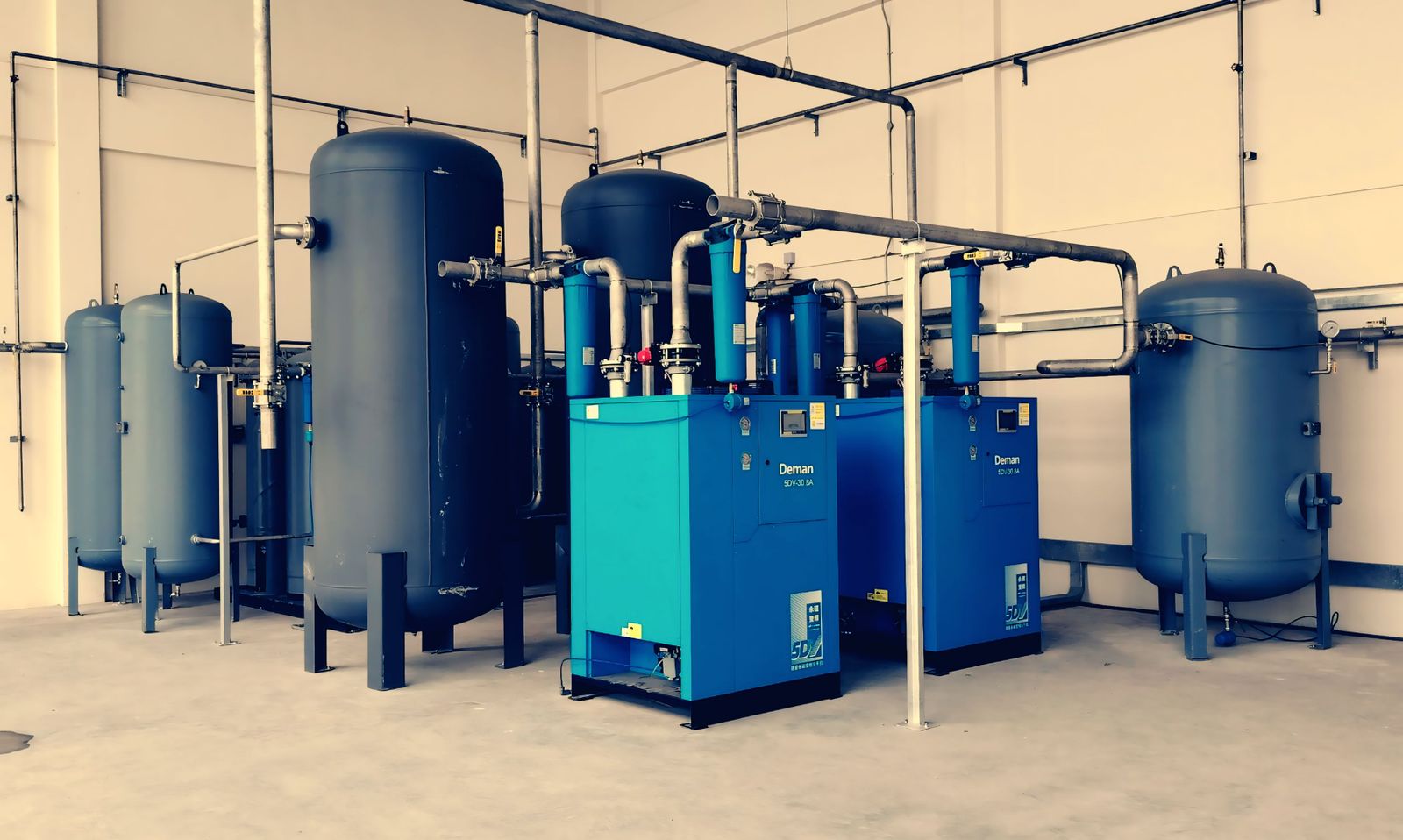
A measurement-led improvement plan for leaks, pressure losses, compressor controls, maintenance and transparent energy-cost calculations.
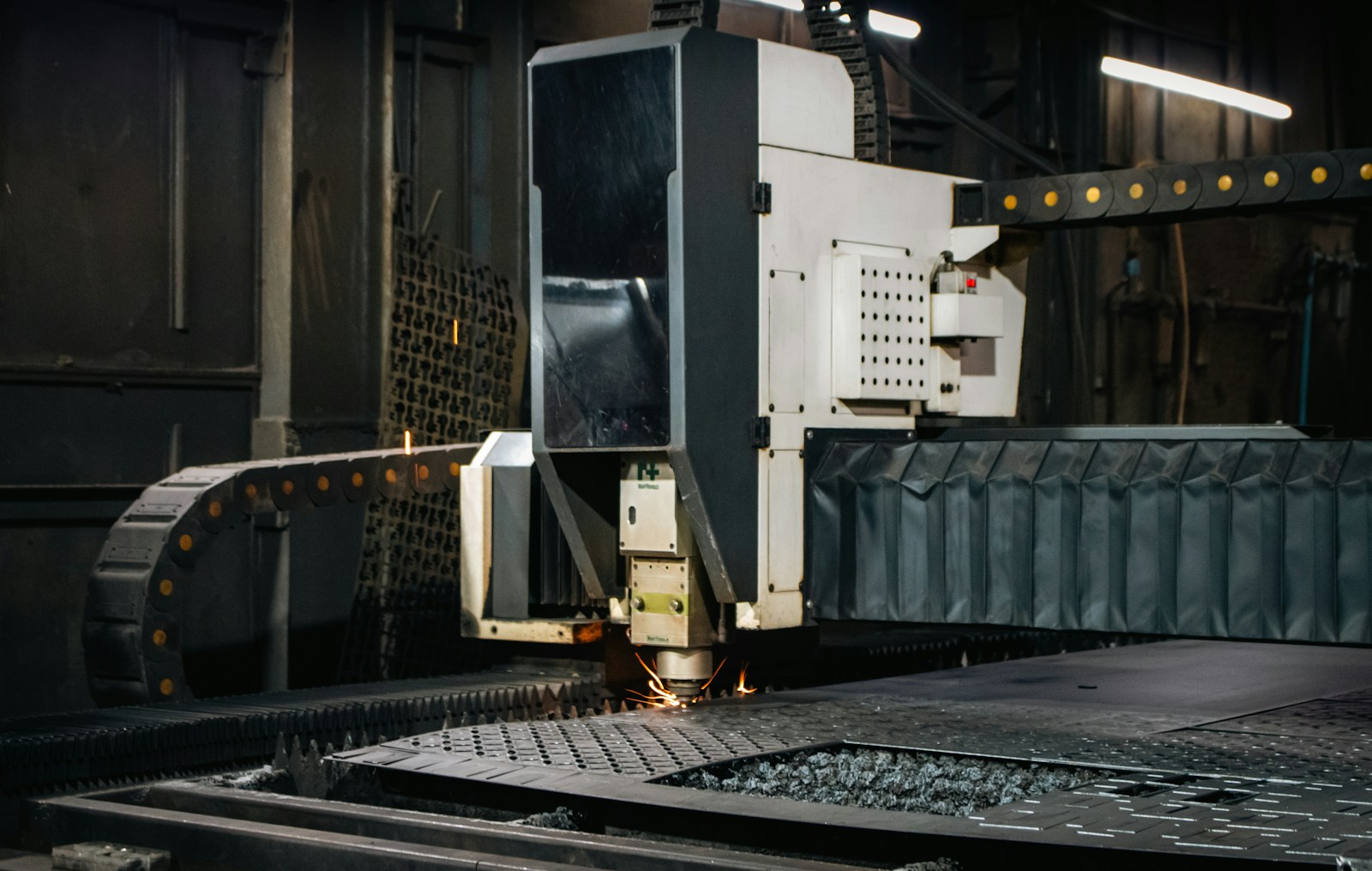
Check assist-gas compatibility, pressure at the laser inlet, peak flow, drying, filtration and commissioning before choosing a compressor package.

System planning, operating management and energy-use analysis can help factories understand demand and uncover practical efficiency opportunities.
Vacuum level, process environment, pumping capacity and long-term operating cost should all be considered when matching a vacuum pump to an application.

Each technology has distinct operating characteristics, so selection should consider flow, pressure, load variation and maintenance requirements.

Variable-speed output can follow changing air demand, providing a flexible option for production environments focused on stable supply and energy performance.
A stable vacuum supply helps thermoforming lines maintain production rhythm and consistent forming performance.

Food processing and packaging value cleanliness, safety and stable operation, making oil-free vacuum technology a practical system choice.
Differences in regulation, operating efficiency and maintenance should be assessed against real working conditions when evaluating energy-saving value.
No news is available in this category yet.
Guangzhou LeadCom Compressor Co., Ltd. specializes in the development, manufacturing and supply of industrial air and gas equipment, including air compressors, vacuum pumps, blowers, gas generators, complete compressed air systems and ancillary equipment.
Focused on reliability, energy efficiency and real industrial requirements, LeadCom provides professional products and system support for manufacturing, electronics, food and beverage, packaging, water treatment and other industries.
Learn More

Tell us your product requirement, application industry, working pressure, air or gas demand, and project location. Our team will help recommend a suitable solution.