
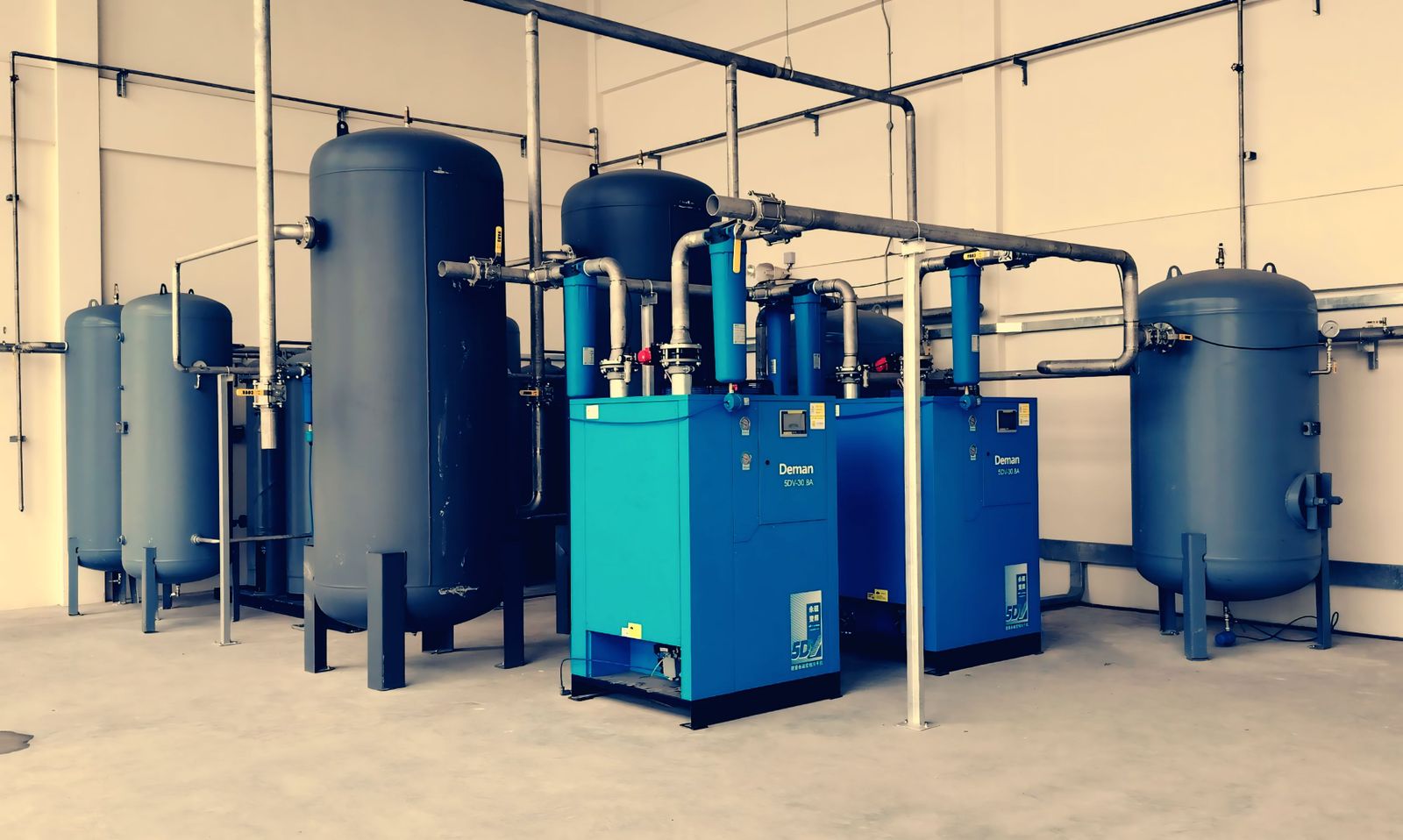
Start an energy project by finding where electricity goes during real production. A new compressor can be one option, but the measured problem may also be leakage, pressure loss, unnecessary air use or poor coordination between machines. Use a short, documented improvement cycle.
Establish a baseline you can compare later
Log complete-system electrical input, production hours, useful flow where available and critical-point pressure. Note which dryers, cooling equipment and auxiliaries are inside the measurement boundary. Compare similar products and production rates. A lower monthly bill after a production slowdown is not sufficient evidence of an efficiency improvement. Keep the baseline period and planned reporting period in the same record.
Make leak repair a recurring task
Inspect couplings, hoses, valves, drains and point-of-use connections. Tag findings, prioritise repairs, record the work and check the result. DOE’s leak guidance stresses that repair must be followed by a review of compressor operation: reducing air demand does not automatically produce an equal reduction in electrical input. Revisit running hours, unloading and stopping behaviour after the repairs.
Find why pressure is being raised
Measure at the compressor, after treatment and at the critical user during demanding cycles. A clogged filter, restricted branch or undersized connection may explain a local shortfall. Correct the cause before using higher station pressure as a routine workaround. Reduce a setting only through a controlled trial that confirms production quality and minimum machine inlet pressure. Keep the accepted value documented.
Make compressors work together
Review periods when several machines unload or lightly load at the same time. Ask whether one correctly chosen trim machine can follow demand while others provide stable base load. Check the lowest production periods and the response to peak events. Storage and controls should be reviewed together. Assess a VSD retrofit or replacement against the measured duty and its controllable operating range.
Maintain treatment and review air uses
Trend filter differential pressure, verify automatic drains and monitor dryer operation. Investigate open blowing and other continuous uses with the production owner; consider a purpose-built alternative only after confirming the process requirement. Avoid solving one problem by creating an air-quality failure. Keep necessary purge and drain operation in the energy budget rather than treating it as unexplained consumption.
Calculate a result with a defined boundary
Example only: if average measured input falls from 60 kW to 54 kW over comparable 5,000-hour production schedules, annual electricity use falls by (60 − 54) × 5,000 = 30,000 kWh. At an assumed USD 0.12/kWh, the energy charge difference is USD 3,600, excluding demand charges and other costs. This is an illustration, not a factory case study. Verify actual results from meter data, retain production context and schedule a follow-up review.
Sources and further reading
Prepared by the LeadCom editorial team from the references below. Selection checklists and examples are editorial guidance; final requirements depend on the process and equipment documentation.