
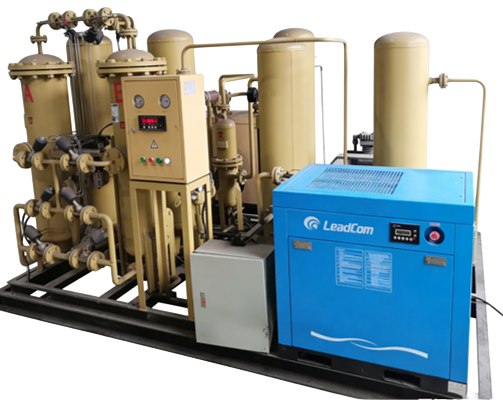
The useful question is how dry the air must remain at the point of use. Choose a dryer against that requirement and the actual installation, then compare its full operating demands. The largest or coldest-rated dryer is not automatically the best purchase.
Start with the coldest downstream condition
Document the process moisture limit and the lowest temperature of downstream pipework. Pressure dew point describes condensation at operating pressure; it is different from atmospheric dew point. A dryer proposal should therefore state the pressure and conditions associated with its dew-point rating. An indoor production line and a line crossing an unheated area may need different moisture protection even when their air consumption is similar.
Understand the two drying methods
A refrigerated dryer cools compressed air so water condenses and can be separated. A desiccant dryer uses a material that adsorbs water vapour and must be regenerated. Lower required dew points may lead to a desiccant solution, while refrigerated drying can suit less demanding moisture requirements. CAGI explains these technologies; their names alone do not establish suitability for a particular production process.
Compare performance at the site conditions
Send the supplier the working pressure, maximum inlet temperature, ambient conditions and required flow. Ask how rated capacity is corrected for those conditions and whether the guarantee covers the most demanding operating period. A catalogue flow number without its reference conditions is insufficient. Check the permissible pressure loss and the quality of the air entering the dryer as part of the same enquiry.
Include regeneration and supporting equipment
Depending on design, desiccant regeneration may use compressed air, heaters, blowers or other heat sources. Ask for those consumptions at the expected load, together with filters, drains and any downstream dust protection. Compare the complete installed arrangement. A smaller electricity figure for the dryer alone may exclude energy needed to produce regeneration air or operate equipment outside the quoted boundary.
Write a practical comparison sheet
Use one row for each requirement: delivered pressure dew point, usable flow at site conditions, total pressure loss, electrical input, regeneration air, maintenance items, monitoring and service access. Mark every excluded item. If only a small part of production needs very dry air, ask whether separate treatment of that branch is practical before applying the strictest specification to the entire factory.
Agree on acceptance and ongoing monitoring
Before ordering, define where dew point will be checked, the operating period used for acceptance and the response to an alarm. Include sensor servicing and drain checks in the operating plan. Retain the approved conditions so future expansion does not silently exceed dryer capacity. The final selection should demonstrate the required air quality during production, rather than depend only on a product label.