
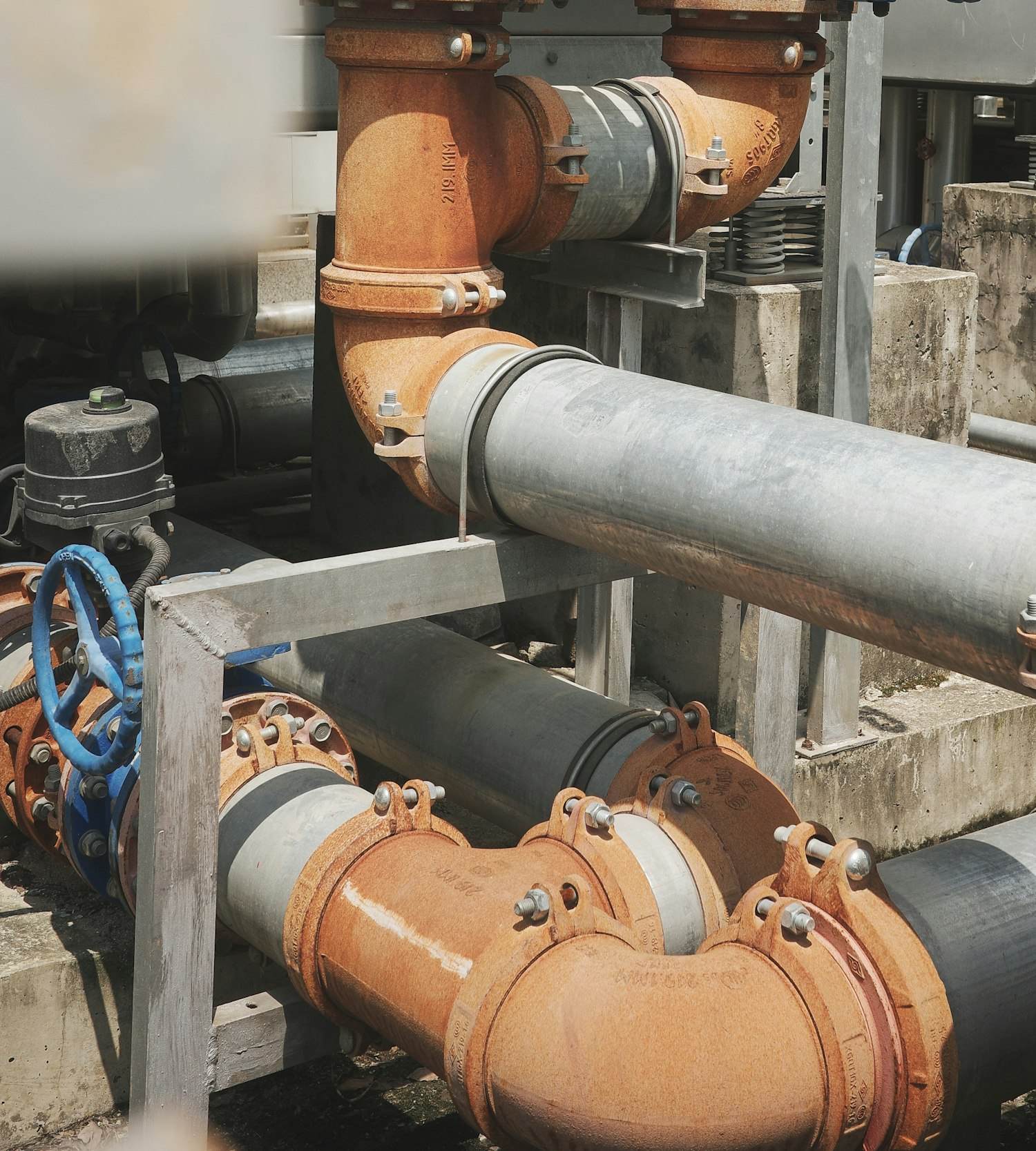
Water at a pneumatic tool does not automatically mean the dryer has failed. Moisture may be entering, condensing or collecting at several points. Following the air path and recording when the symptom appears makes the investigation more useful than replacing components at random.
Record where and when water appears
Identify the affected machines, the time of day, production load and recent weather or installation changes. Check whether all branches are affected or only one. Note the observed material: clear liquid, oily condensate and other contamination may require different investigation. Confirm the process impact with production personnel and use the equipment manufacturer’s response procedure if air quality is outside the accepted limits.
Follow cooling and liquid separation
Atmospheric air brings water vapour into the system. Cooling compressed air can produce condensate, which must be separated and discharged at the appropriate points. Review the aftercooler outlet condition, separation arrangement and downstream flow path. Compare the observed temperature and load with the design information. A dryer cannot be assessed fairly if upstream liquid handling and cooling have not been considered.
Check drain operation using the approved method
Inspect the drain status, discharge route and any alarm or test function provided by its manufacturer. A blocked drain and a drain that continuously wastes compressed air are different failures. Record whether the discharge actually reaches the intended treatment point. Do not open a pressurised housing to investigate it; servicing and isolation must follow the instructions for the installed equipment.
Verify the dryer at the current duty
Record inlet pressure and temperature, flow conditions, ambient temperature and the specified pressure dew point. Check alarms, settings and whether a bypass has been left in an unintended position. Compare these observations with the dryer’s allowable operating range and correction factors. A unit that matched the original factory may be overloaded after production expands or cooling conditions change.
Look for condensation after drying
Compare the delivered pressure dew point with the coldest downstream conditions. A line that enters a colder area can develop a different condensation risk from the warm compressor room. Review low points, unused branches and locations where liquid can collect. Pipe changes should follow an engineered layout; adding another filter alone does not remove water vapour or automatically correct the dew-point requirement.
Confirm the remedy under representative conditions
Repeat observations and relevant air-quality measurements through the operating period that originally caused the problem. Document the repaired component, actual conditions and remaining limits. Add drain checks, dryer monitoring and seasonal review to the maintenance plan. Keep condensate treatment within the site’s approved arrangement, and verify the applicable disposal requirements rather than assuming that separated liquid is suitable for direct discharge.